When this service can help
Cracked or fractured pipes, leaking joints, root entry points and general deterioration can all lead to a discussion about relining. You may already have a CCTV report or be dealing with blockages that return after cleaning. The aim is to address suitable defects in the pipe, rather than repeatedly clearing the material they catch.
Common causes
Drains can deteriorate at their walls or joints, while movement can open or displace connections. Roots may enter through an existing opening. A liner may seal suitable defects and provide a designed structural repair, but it will not realign a badly displaced drain or correct every problem with its route or fall.
How we solve it
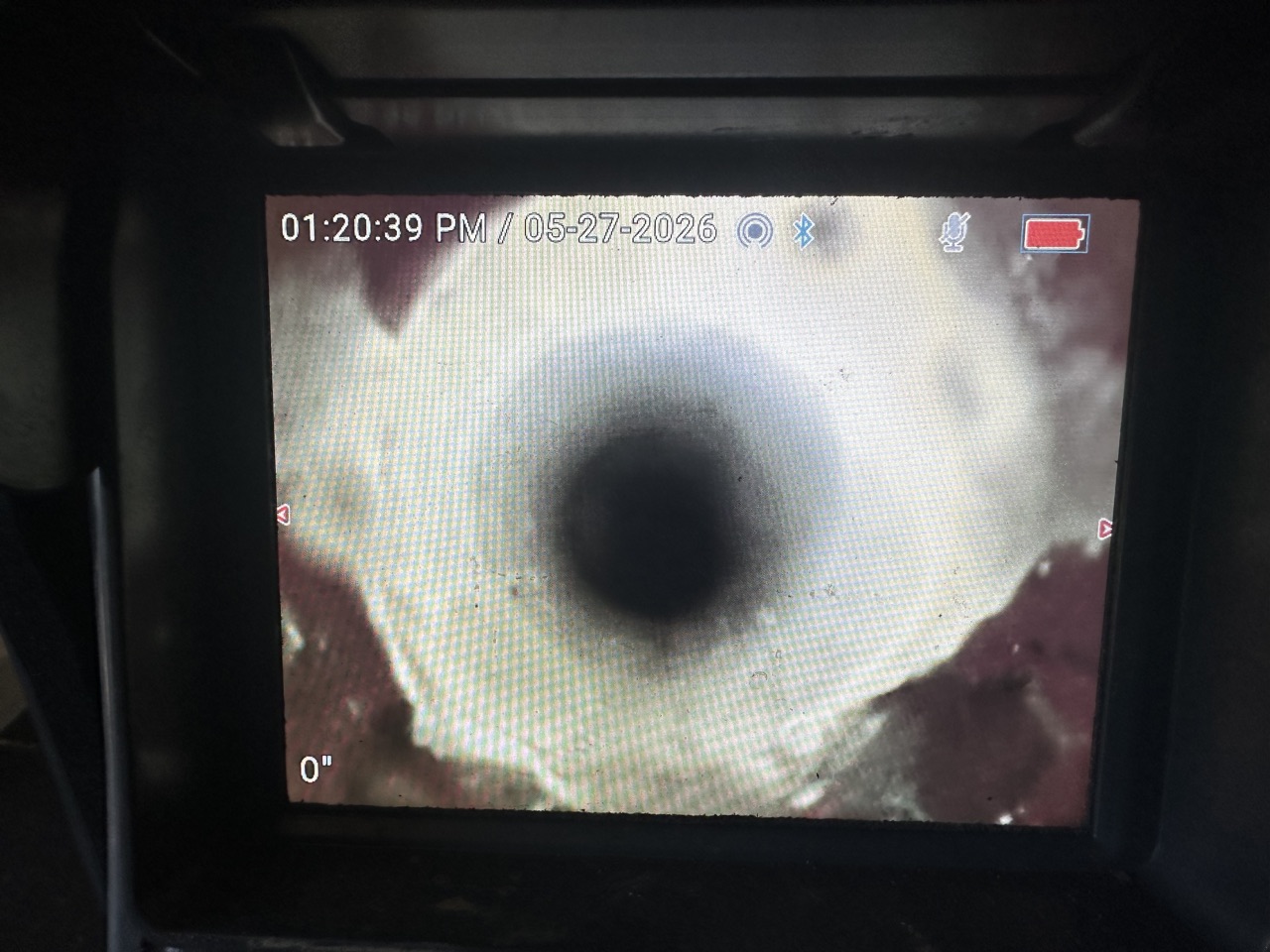
We begin with CCTV inspection and an assessment of the drain’s diameter, condition, route and accessible entry points. We consider the length affected, bends and connected branches, as well as any preparation needed. The findings determine whether the pipe can receive a liner and whether a local patch or a longer lining is appropriate. For CIPP lining, a prepared resin-impregnated liner is positioned within the existing pipe and cured using the method appropriate to the selected system. The finished lining is inspected by CCTV. Preparation, installation and curing requirements are part of the proposed scope; we do not promise a particular system or completion time before inspecting the job.